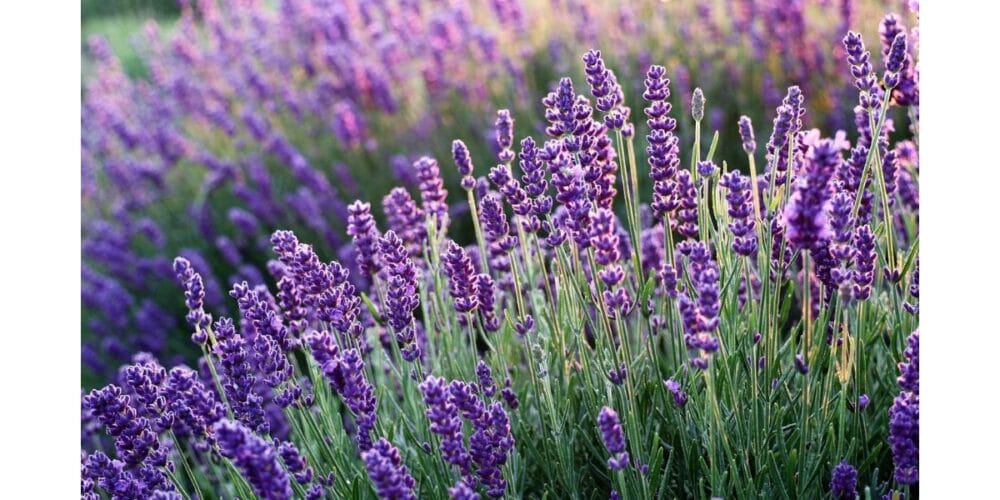
How to Grow Your Own Organic Lavender
Lavender is one of the most loved garden plants, prized for its calming fragrance, beautiful purple blooms, and multiple uses in cooking, skincare, and home remedies. Growing your own organic lavender is surprisingly easy and rewarding, even for beginner gardeners. With the right conditions and care, this hardy herb will thrive for years while attracting pollinators and adding charm to your garden.
In this complete guide, you will learn how to grow organic lavender successfully from planting to harvest.
Why Grow Organic Lavender?
Growing lavender organically ensures your plants remain free from synthetic chemicals, making the flowers safe for culinary, medicinal, and aromatic uses. Organic lavender is also more eco-friendly and supports beneficial insects like bees and butterflies. Once established, lavender is drought-tolerant, low-maintenance, and long-lived, making it a perfect addition to sustainable kitchen gardens.
Choosing the Right Lavender Variety
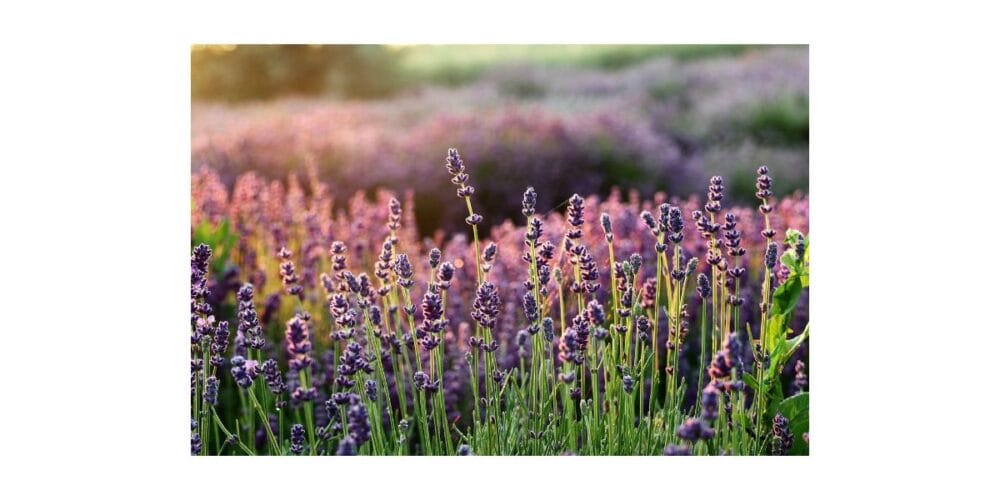
Not all lavender varieties grow equally well in every climate. Choosing the right type is essential for success.


- English Lavender (Lavandula angustifolia): Best for cooler climates, highly fragrant, and ideal for culinary use.
- French or Spanish Lavender (Lavandula stoechas): Thrives in warmer regions, features distinctive flower bracts, and blooms for longer periods.
- Hybrid Lavender (Lavandin): Vigorous growth and strong scent, commonly used for essential oil production.
Select a variety suited to your local climate for best results.
Ideal Growing Conditions for Lavender
Lavender thrives when its natural Mediterranean environment is replicated.
Sunlight
Lavender requires full sun for at least 6 to 8 hours daily. More sunlight encourages compact growth and abundant flowering.
Soil
Well-draining soil is critical. Lavender dislikes wet roots and can rot in heavy clay soils. Sandy or loamy soil with a slightly alkaline pH (6.5 to 7.5) works best. If needed, improve drainage by adding sand or compost.
Temperature and Climate
Lavender prefers warm days and cool nights. While it tolerates heat well, excessive humidity can cause fungal diseases, so ensure good air circulation.
Also Read: How to Start a Cut Flower Garden for Beginners
How to Plant Organic Lavender
From Seeds
Growing lavender from seed requires patience, as germination can be slow.
- Start seeds indoors 8 to 10 weeks before the last frost.
- Use organic seed-starting mix and lightly press seeds into the soil.
- Keep the soil lightly moist and place trays in a warm, sunny location.
- Transplant seedlings outdoors once they are strong and frost danger has passed.
From Cuttings or Transplants
Planting cuttings or nursery-grown plants is faster and more reliable.
- Dig a hole slightly larger than the root ball.
- Space plants 12 to 24 inches apart to ensure airflow.
- Water lightly after planting and avoid overwatering.
Watering and Feeding Lavender Organically
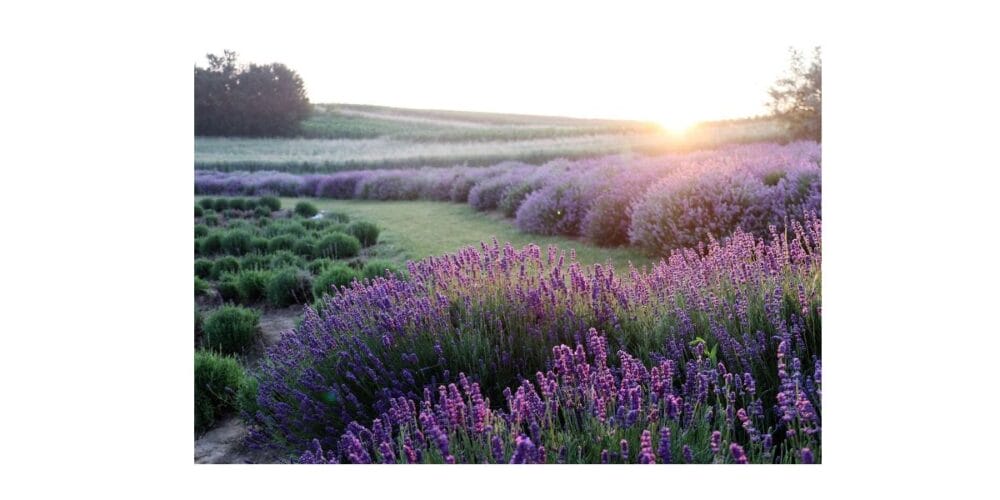
Lavender is drought-tolerant once established.
- Water young plants regularly until roots develop.
- Mature plants only need watering when the soil is completely dry.
- Overwatering leads to weak growth and root diseases.
Lavender does not require heavy feeding. Excess nutrients reduce fragrance and flower production. Use light applications of organic compost or well-rotted manure once a year, preferably in spring.
Organic Pruning and Maintenance
Pruning keeps lavender healthy and promotes bushy growth.
- Prune lightly after flowering to shape the plant.
- Avoid cutting into old woody stems, as they may not regrow.
- In early spring, remove dead or damaged branches.
Mulching with gravel or straw helps suppress weeds and improves drainage while keeping the plant base dry.
Also Read: Marigold Farming: A Complete Guide to Profitable Flower Cultivation
Pest and Disease Management
Lavender naturally repels many pests, making it ideal for organic gardens.
- Common issues include root rot and fungal diseases caused by excess moisture.
- Ensure proper drainage and spacing to prevent disease.
- Use neem oil or insecticidal soap if aphids appear.
Healthy soil and good airflow are the best natural defenses.
Harvesting Lavender the Right Way
Harvest lavender when flower buds are just beginning to open for the strongest fragrance.
- Cut stems early in the morning after dew has dried.
- Use clean, sharp scissors or pruning shears.
- Bundle stems loosely and hang them upside down in a cool, dry place.
Dried lavender can be used in teas, sachets, oils, and homemade beauty products.
Also Read: The Flowering Rose: A Timeless Symbol of Beauty and Love
Benefits of Growing Lavender at Home
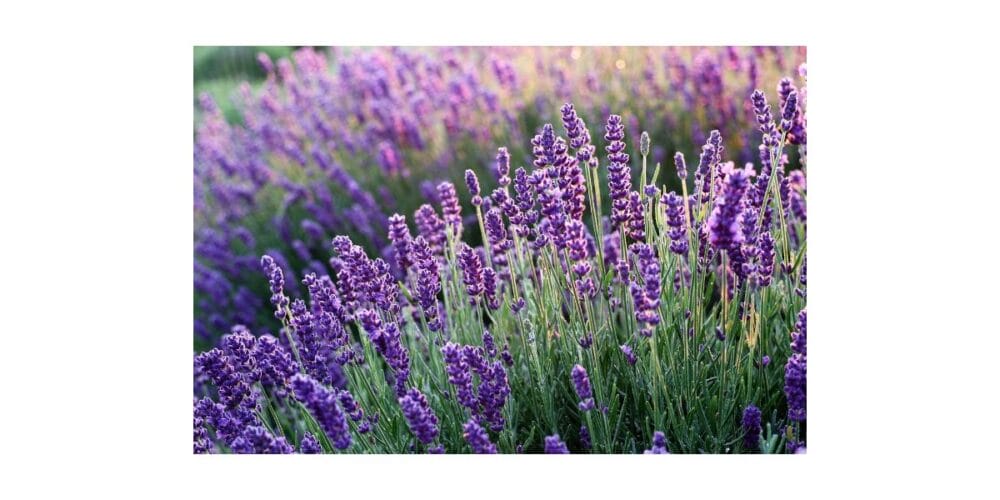
- Enhances garden beauty and fragrance
- Attracts pollinators and beneficial insects
- Provides natural stress relief and relaxation
- Useful for cooking, skincare, and aromatherapy
- Low maintenance and long-lasting perennial
Final Thoughts
Growing your own organic lavender is a delightful way to add beauty, fragrance, and functionality to your garden. With full sun, well-drained soil, and minimal care, lavender will reward you with abundant blooms and soothing aroma year after year. Whether planted in garden beds, containers, or along walkways, organic lavender is a timeless herb that brings both joy and wellness into your home.
Start your lavender journey today and enjoy the calming magic of this versatile plant straight from your garden.
Also Read: About How to Grow Your Own Organic Lavender on gardenary.com Site